Top Outdoor Gear Plans | A Strategic Guide to Technical Readiness
The procurement of high-performance equipment for wilderness engagement is rarely a linear transaction. Instead, it represents a multifaceted logistical challenge that requires the integration of environmental forecasting, physiological assessment, and material science. To approach outdoor readiness without a structured methodology is to invite systemic failure at the point of highest consequence. As the boundaries between casual recreation and technical expeditionary travel continue to blur, the necessity for rigorous, long-term planning has moved from the periphery of the “hardcore” enthusiast to the center of any responsible outdoor practice.
In the contemporary landscape, equipment is often viewed through the lens of individual product features—weight, color, or price. However, true proficiency is found in the architectural cohesion of a “gear system.” This system must be resilient enough to handle catastrophic environmental shifts while remaining efficient enough to prevent metabolic exhaustion.
By examining the lifecycle of technical assets and the mental models used to evaluate them, we can establish a framework for readiness that stands independent of transient market trends or seasonal hype.
Understanding “Top Outdoor Gear Plans”
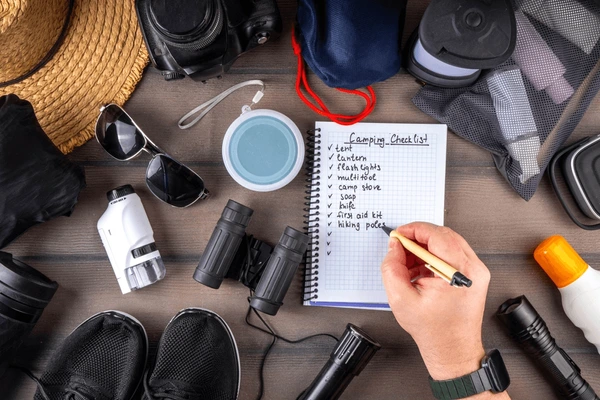
When we discuss “top outdoor gear plans,” we are not referring to a shopping list, but to a strategic roadmap for asset acquisition and deployment. A common misunderstanding among practitioners is that high-quality gear is a substitute for high-quality planning. In reality, the most advanced hardshell or ultralight shelter is merely a component within a broader operational strategy. A “top” plan accounts for the “Law of Diminishing Returns”—recognizing where an extra $500 spent on a lighter tent provides less value than $500 spent on a wilderness first aid certification.
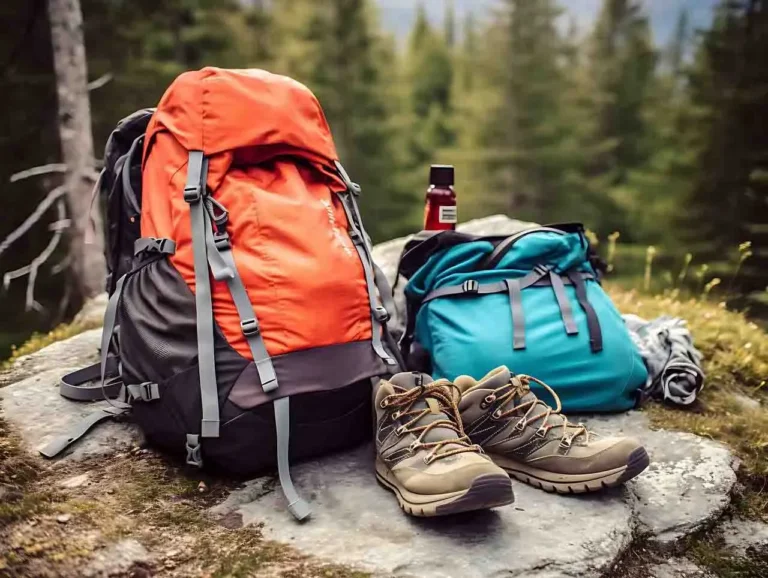
Oversimplification risks in this domain often manifest as “biome blindness.” Many enthusiasts develop their equipment strategies based on a single successful outing, failing to account for the variability of different ecological zones. A plan optimized for the high Sierras—prioritizing UV protection and dry cold—will fundamentally fail in the temperate rainforests of the Pacific Northwest, where moisture management is the absolute priority. Therefore, the top outdoor gear plans are those that are built on modularity, allowing the user to swap specific components while maintaining a consistent core of survival and navigation tools.
Another layer of complexity involves the “Obsolescence Cycle.” Technical fabrics, particularly those utilizing waterproof-breathable membranes, have a finite functional lifespan. A robust plan includes a “depreciation schedule” for critical gear, ensuring that an eight-year-old raincoat isn’t the only thing standing between the user and hypothermia during a spring deluge. By treating outdoor equipment as a depreciating technical asset rather than a static possession, the user maintains a higher baseline of safety.
Deep Contextual Background: The Evolution of Utility
The history of outdoor planning is a history of weight reduction and thermal efficiency. In the early 20th century, expeditionary kits were characterized by their “heavy-duty” nature. Materials like waxed canvas, wrought iron, and heavy wool were the standard. While durable, these materials required immense physical strength to transport, limiting the range and speed of the explorer.
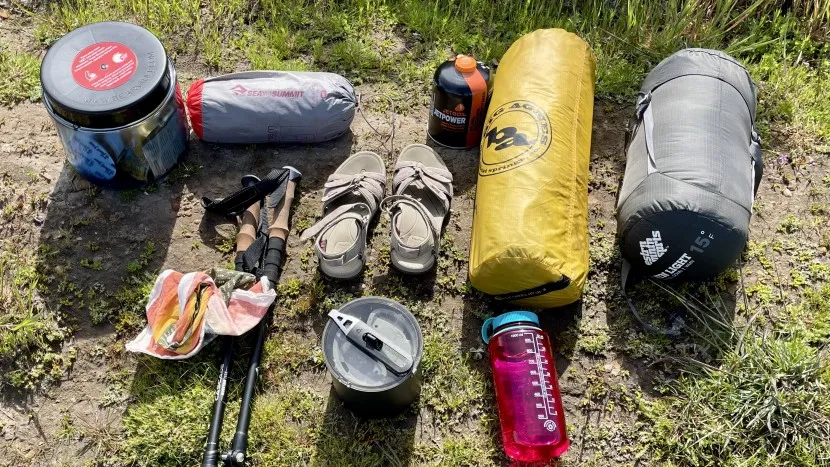
The mid-century “Nylon Revolution” shifted the focus toward individual autonomy. As synthetic fibers replaced natural ones, the weight of a standard backpacking kit dropped by more than 50%, allowing for solo expeditions into previously inaccessible terrain. This era introduced the concept of “layering” as a formal strategy, moving away from the single, heavy overcoat toward a tiered system of moisture-wicking and insulation.
Today, we are in the era of “Data-Informed Selection.” Modern planning utilizes thermal imaging, moisture-vapor transmission rate (MVTR) data, and biomechanical modeling. We no longer guess if a boot is supportive; we measure its torsional rigidity. We no longer hope a sleeping bag is warm; we rely on ISO/EN temperature ratings. This transition from “intuition-based” to “metric-based” planning has allowed for the rise of ultralight (UL) and sub-ultralight (SUL) philosophies, where the goal is to carry the absolute minimum necessary to maintain a safe physiological state.
Conceptual Frameworks and Mental Models
To develop a high-level gear strategy, one must employ specific mental models that strip away the aesthetic distractions of the marketplace.
1. The 1% Failure Rule
If a piece of equipment has a 1% chance of failure on any given day, a 100-day expedition virtually guarantees a failure. For critical systems—shelter, water filtration, and navigation—the plan must prioritize a “Mean Time Between Failures” (MTBF) that exceeds the duration of the trip by a significant margin.
2. The Metabolic Cost Model
Every gram of weight carried increases the oxygen demand and caloric burn of the user. In high-consequence environments, fatigue is the primary driver of accidents. Therefore, gear weight is not just a comfort metric; it is a safety metric. A plan that reduces pack weight by 5kg can be the difference between a clear-headed descent and an exhausted, error-prone crawl.
3. The PACE Framework (Primary, Alternate, Contingency, Emergency)
Derived from military communication planning, this model is applied to survival gear:
-
Primary: Your stove for melting snow.
-
Alternate: A secondary stove or solid fuel tabs.
-
Contingency: A small fire-starting kit.
-
Emergency: A high-calorie food stash that doesn’t require cooking.
Key Categories of Technical Integration
A comprehensive outdoor strategy categorizes assets based on their functional role within the system.
| Category | Primary Focus | Critical Trade-off |
| Life Support | Shelter, Sleep Systems, Hydration | Warmth-to-Weight vs. Bulk |
| Mobility | Footwear, Packs, Poles | Support vs. Agility |
| Thermal Management | Base/Mid/Outer Layers | Breathability vs. Weatherproofing |
| Navigation/Comms | GPS, PLB, Mapping | Digital Dependency vs. Manual Reliability |
| Consumables | Nutrition, Fuel, Hygiene | Caloric Density vs. Palatability |
Decision Logic: The “Single-Point-of-Failure” Test
When reviewing these categories, the planner must ask: “If this item fails, does the mission stop?” If the answer is yes (e.g., a broken water filter in a desert), the plan must include a robust alternative. If the answer is no (e.g., a broken trekking pole), the user can likely proceed with caution. The top outdoor gear plans allocate the highest portion of the budget and the most rigorous maintenance to the “Mission-Critical” items.
Detailed Real-World Scenarios
Scenario A: The High-Altitude Ridge Traverse
-
Constraints: Extreme wind, variable precipitation, vertical exposure.
-
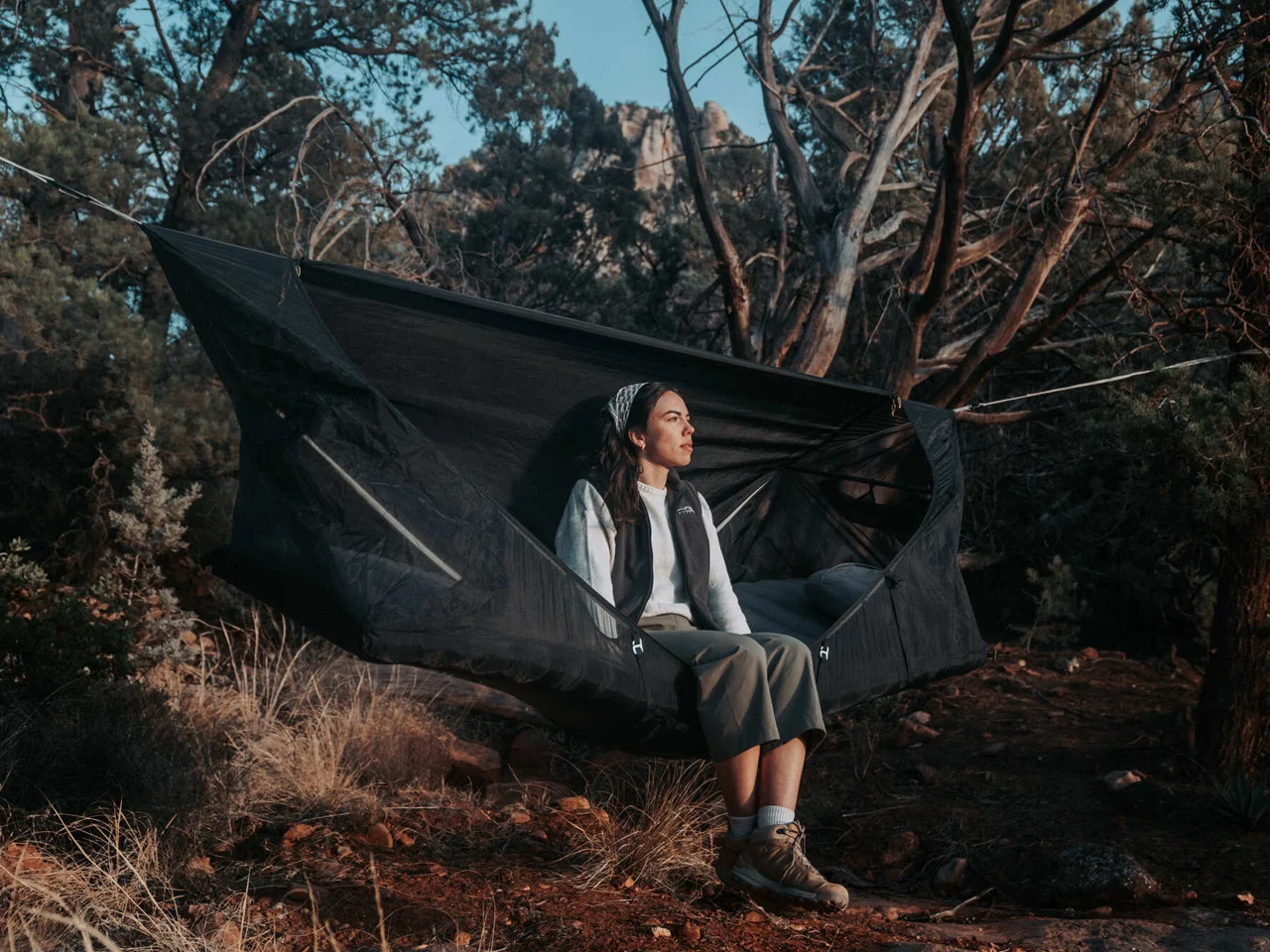
Strategy: Prioritize “wind-shedding” geometry in the shelter and “active” insulation (fabrics that breathe while moving) for the apparel.
-
Second-Order Effect: High-wind shelters often have smaller interiors, requiring a more disciplined approach to pack organization.
Scenario B: The Deep-Winter Basecamp
-
Constraints: Constant sub-freezing temperatures, high moisture from breath/cooking, low solar gain.
-
Strategy: Use of “Vapor Barrier Liners” (VBL) to prevent perspiration from freezing inside the insulation of the sleeping bag.
-
Failure Mode: Relying on down insulation without a moisture management plan, leading to “loft collapse” after three days of condensation.
Scenario C: The Arid Long-Distance Thru-Hike
-
Constraints: Water scarcity, high UV exposure, and heat-management requirements.
-
Strategy: Shifting from “waterproof” footwear to highly breathable mesh to prevent blisters and “trench foot” caused by trapped sweat.
Planning, Cost, and Resource Dynamics
The economic reality of outdoor gear is one of “High Entry, Low Maintenance.” While the initial investment in a technical kit can be staggering, the amortized cost over a decade of use is often lower than frequent replacements of lower-grade items.
Resource Allocation Table
| Investment Tier | Typical Focus | Best Use Case |
| Modular Core | Versatile 3-season gear | Weekend enthusiasts, generalists |
| Specialized Niche | Ultralight or Extreme Cold gear | Thru-hikers, mountaineers |
| Systemic Elite | Full redundancy, custom mods | Professional guides, solo explorers |
The Opportunity Cost of Bulk: Many planners focus on the weight of the gear but ignore its volume. A bulky, low-fill-power sleeping bag may be cheap, but it requires a larger, heavier backpack to carry it, creating a “weight-spiral” that affects the user’s agility and energy levels.
Tools, Strategies, and Support Systems
To execute top outdoor gear plans, one needs a suite of logistical support mechanisms.
-
Digital Load-Out Spreadsheets: Tracking the weight of every item down to the gram to identify “hidden” weight.
-
Calibrated Scales: Verifying manufacturer claims, which are often “stripped weights” that ignore essential components like tent stakes or stuff sacks.
-
Local Knowledge Networks: Consulting local rangers or long-term residents about the “micro-fails” common in their specific area (e.g., specific thorns that puncture air pads).
-
Repair Kits (The “Field Workshop”): A custom-built kit including needle/thread, Tenacious Tape, spare buckles, and multi-tool.
-
Moisture Control Logs: For long expeditions, tracking the “dryness” of the sleep system and forcing “dry-out days” when the sun appears.
-
Subscription-Based Comms: Maintaining active firmware and service for satellite messengers like Garmin InReach or Zoleo.
Risk Landscape and Taxonomy of Failure
Gear failure is rarely an isolated event; it is a “cascading” phenomenon. We categorize these risks to better prepare for them.
-
Material Fatigue: The slow degradation of waterproof coatings (hydrolysis) or the loss of “stretch” in elastic components.
-
User Error: The most common failure mode—improperly pitching a tent in a windstorm or forgetting to prime a liquid fuel stove.
-
Environmental Overmatch: When the conditions (e.g., 100mph gusts) exceed the structural limits of even the best gear.
-
Compatibility Mismatch: Using a high-volume sleeping bag in a low-volume bivvy sack, compressing the insulation and causing cold spots.
Governance and Long-Term Adaptation
A successful gear plan is not static; it requires a “governance” structure—a set of rules for how the kit is reviewed and updated.
The “Five-Trip” Review Cycle
Every five trips, a formal audit should be conducted:
-
Discard: Items that were not used once in five trips (excluding safety/emergency gear).
-
Repair: Identifying small tears or failing DWR (Durable Water Repellent) coatings before they become field failures.
-
Replace: Upgrading items that have fallen behind the “safety-to-weight” curve.
Adaptation Triggers
What causes a plan to change?
-
Biological Aging: As a user ages, their needs for sleep comfort and joint support (poles, thicker pads) increase.
-
Technological Leaps: The shift from heavy GPS units to smartphone-based navigation with satellite redundancy.
-
Climate Shifts: Increasing wildfire risks may require a shift toward “low-smoke” or “no-fire” cooking systems.
Measurement, Tracking, and Evaluation
How do we define “Success” in an outdoor gear plan?
-
Leading Indicators: A “Base Weight” that allows for a specific mileage goal; a thermal rating that exceeds the historical lows of the destination.
-
Lagging Indicators: The absence of hotspots or blisters after 20 miles; the ability to maintain core temperature during a surprise sleet storm.
Documentation Examples
-
The “Snag List”: A small notebook kept in the pack to record “irritants” during the trip—straps that rub, zippers that catch—to be fixed at home.
-
The “Consumables Log”: Tracking exactly how much fuel and food was left over to refine the weight of the next trip.
Common Misconceptions
-
Myth 1: “Military grade” is the best. Correction: Military gear is often designed for durability at the expense of extreme weight. For self-supported movement, civilian technical gear is almost always superior.
-
Myth 2: “Waterproof” means breathable. Correction: No membrane can keep up with a human running uphill at high intensity. You will get wet from sweat; the goal is “managed dampness.”
-
Myth 3: “More features = More value.” Correction: Every zipper, pocket, and strap is a potential failure point and adds weight. The best gear is often the simplest.
-
Myth 4: “You can buy your way into safety.” Correction: A $1,000 tent is useless if you don’t know how to orient it against the wind. Skills trump gear every time.
Ethical and Practical Considerations
The environmental impact of technical gear production is significant. Many “top” plans now prioritize “circularity”—buying from brands that offer lifetime repairs or using second-hand markets to find high-quality vintage gear. Additionally, the move away from “Forever Chemicals” (PFAS) in waterproof coatings represents a major shift in the industry. Users must be aware that newer, more ethical coatings may require more frequent maintenance (re-application of DWR) than the toxic versions of the past.
Conclusion
The development of top outdoor gear plans is a sophisticated exercise in risk management and resource optimization. It requires the practitioner to act as both an engineer and an editor—selecting the tools that provide the highest utility while ruthlessly cutting anything that adds unnecessary weight or complexity. In a world of increasing environmental volatility, the “system” is the ultimate survival tool. By committing to a rigorous process of planning, testing, and maintenance, the outdoor enthusiast ensures that their equipment remains a bridge to the wilderness, rather than a barrier to their safety and enjoyment.