The Definitive Guide to Adventure Gear Options | Technical Mastery 2026
The modern landscape of outdoor exploration is defined by a paradox: as wild spaces become increasingly accessible through digital mapping and global transport, the technical requirements for safe and effective engagement with these environments have become more specialized. Adventure gear is no longer a collection of mere utilities; it is a sophisticated interface between the human body and the unyielding physics of the natural world. This interface must manage moisture, regulate thermal energy, provide structural support, and facilitate navigation—often simultaneously—within high-consequence environments where equipment failure is not merely an inconvenience but a systemic risk.
Selecting equipment necessitates an understanding of materials science, biomechanics, and environmental psychology. The transition from heavy, traditional canvas and leather to high-tensile polymers and breathable membranes has redefined what is possible in remote expeditions. However, this technological leap has introduced a new layer of complexity: the “paradox of choice.” With an overwhelming array of technical specifications, the modern adventurer must distinguish between genuine innovation and transient marketing trends. This article examines the deep structural logic of high-performance equipment, moving beyond surface-level reviews to analyze the systems that sustain life and mobility in the field.
To engage with the outdoors as a serious practitioner is to accept a role as a technician of one’s own survival. This requires an analytical approach to kit selection that prioritizes “failure-state” performance over “showroom” aesthetics. The following analysis deconstructs the essential frameworks of gear acquisition and maintenance, providing a definitive reference for those who view equipment as an investment in safety and operational capacity. By understanding the mechanical and contextual nuances of these tools, one can curate a system that is resilient, adaptable, and precisely tuned to the demands of the terrain.
Understanding “Best Adventure Gear Options”
The term “best adventure gear options” is frequently misused in consumer journalism to denote the most expensive or most popular items. In a professional editorial context, however, the “best” option is the one that minimizes the delta between an adventurer’s physiological needs and environmental stressors. This is a moving target. A modular layering system that is superior for high-output alpine climbing is fundamentally flawed for tropical jungle trekking, where humidity management overrides thermal retention.
Oversimplification in this field often leads to the “universal kit” fallacy. This is the mistaken belief that a single piece of equipment—such as a specific 65-liter backpack or a certain waterproof shell—can serve as a pinnacle solution across all biomes. In reality, the best adventure gear options are those that exist within a cohesive, ecosystemic framework. The quality of a gear choice is therefore contingent upon its compatibility with the other components in the stack.
Furthermore, we must address the risk of “feature creep.” Many modern options are laden with secondary functions—integrated electronics, excessive pocketing, or aesthetic flourishes—that add weight and potential failure points without increasing core utility. A multi-perspective evaluation of gear requires looking at the “invisible” metrics: the denier of the fabric, the hydrostatic head rating, the R-value of insulation, and the shear strength of fasteners. True mastery of gear selection involves stripping away the marketing narrative and evaluating the asset based on its thermodynamic and mechanical properties.
Deep Contextual Background: The Evolution of Survival Systems
The lineage of modern adventure gear can be traced from the utilitarian necessity of indigenous exploration to the industrial-scale requirements of 20th-century alpinism. Early exploration relied on natural fibers: wool for insulation, down for loft, and oil-treated cotton for weatherproofing. These materials were effective but carried significant weight penalties, particularly when wet. The systemic evolution of gear was catalyzed by the post-WWII era, where military surplus technology—nylon, aluminum alloys, and high-altitude oxygen systems—transitioned into the civilian leisure market.
The 1970s and 80s marked the “Synthetic Revolution.” The introduction of expanded polytetrafluoroethylene (ePTFE) membranes allowed for the creation of garments that could block liquid water while permitting the escape of vapor. This changed the fundamental logic of mountain safety, allowing for longer durations of exposure with less total mass. Simultaneously, the shift from external frame packs to internal frames revolutionized biomechanics, allowing the load to stay closer to the center of gravity, which increased stability on technical terrain.
Today, we are in the era of “Precision Engineering.” This evolution has moved the industry away from “heavy-duty” durability toward “technical” durability—where the goal is not to make an item indestructible through mass, but resilient through superior material properties.
Conceptual Frameworks and Mental Models
To navigate the market for the best adventure gear options, one must apply mental models that prioritize functional logic over brand loyalty.
1. The 3-Layer Thermodynamic Model
This is the foundational framework for all human activity in cold or variable climates.
-
Base Layer (Moisture Management): Wicking sweat away from the skin to prevent evaporative cooling during rest.
-
Mid Layer (Thermal Retention): Trapping “dead air” to maintain core temperature.
-
Outer Layer (Environmental Shield): Protecting the inner layers from wind, rain, and abrasion.
-
The Limit: In extreme heat, this model collapses into a single-layer “protective shade” framework where airflow is the primary variable.
2. The Weight-to-Utility Ratio (The Gram-Counter’s Logic)
Every gram carried incurs a metabolic cost. This model suggests that gear should be evaluated based on the utility it provides per unit of weight.
-
High Utility/Low Weight: A titanium stove or a high-fill-power down quilt.
-
Low Utility/High Weight: Heavy-duty camp furniture or excessive cookware.
-
The Limit: Pushing this ratio too far leads to “fragility.” A shelter that is too light may fail in a moderate storm, negating its weight-saving benefits.
3. The Redundancy vs. Minimalism Matrix
This model balances the safety of backups against the speed and efficiency of a light pack.
-
Critical Systems (Redundancy): Fire starters, navigation, and water purification should always have a secondary fail-safe.
-
Non-Critical Systems (Minimalism): Apparel and comfort items should be kept to a singular, versatile set.
Key Categories of Adventure Gear
The following categories represent the pillars of a technical outdoor system.
| Category | Primary Metric | Core Trade-off | Representative Material |
| Shelter Systems | Static Load Strength | Weight vs. Interior Volume | Sil-Nylon / Dyneema |
| Sleep Systems | R-Value (Insulation) | Bulk vs. Thermal Efficiency | 850+ Fill Power Down |
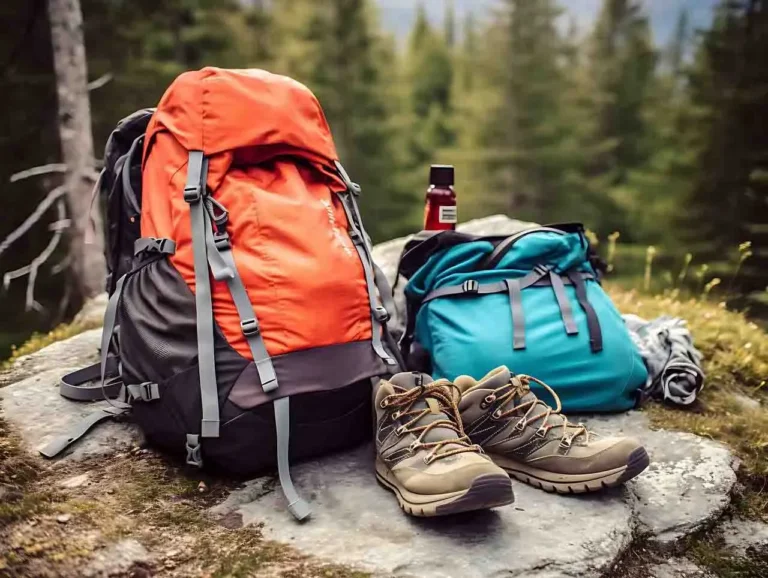
| Load Carriage | Biomechanical Transfer | Comfort vs. Empty Weight | High-Tenacity Ripstop |
| Footwear | Torsional Rigidity | Protection vs. Agility | Vibram / GORE-TEX / Leather |
| Technical Apparel | Breathability/MVTR | Durability vs. Permeability | ePTFE / Merino / Polartec |
| Hydration/Filtration | Micronic Pore Size | Flow Rate vs. Efficacy | Hollow Fiber Membrane |
Decision Logic: The Environmental Pivot
In high-altitude environments, the “best adventure gear options” are those that prioritize thermal insulation and wind resistance. Conversely, in desert environments, the priority shifts to UV protection and evaporative cooling. The most common error is selecting a kit based on the “average” conditions of a trip, leaving the user vulnerable to the statistical outliers of mountain weather.
Detailed Real-World Scenarios
Scenario 1: High-Altitude Technical Mountaineering
-
Constraints: Sub-zero temperatures, high wind, limited oxygen, vertical terrain.
-
Key Choice: Double-wall boots with integrated gaiters and a high-altitude down suit.
-
Failure Mode: Using a standard hiking boot that lacks the thermal mass required for static belays in extreme cold, leading to peripheral frostbite.
Scenario 2: Thru-Hiking (Long Distance, Multi-Month)
-
Constraints: High metabolic output, repetitive stress, varying biomes, and weight sensitivity.
-
Key Choice: Non-waterproof, highly breathable trail runners and a modular ultralight quilt system.
-
Second-Order Effect: By reducing footwear weight, the user decreases the risk of overuse injuries (plantar fasciitis), though they sacrifice ankle protection in scree fields.
Scenario 3: Tropical Jungle Expedition
-
Constraints: 100% humidity, dense vegetation, high pathogen risk, constant wetness.
-
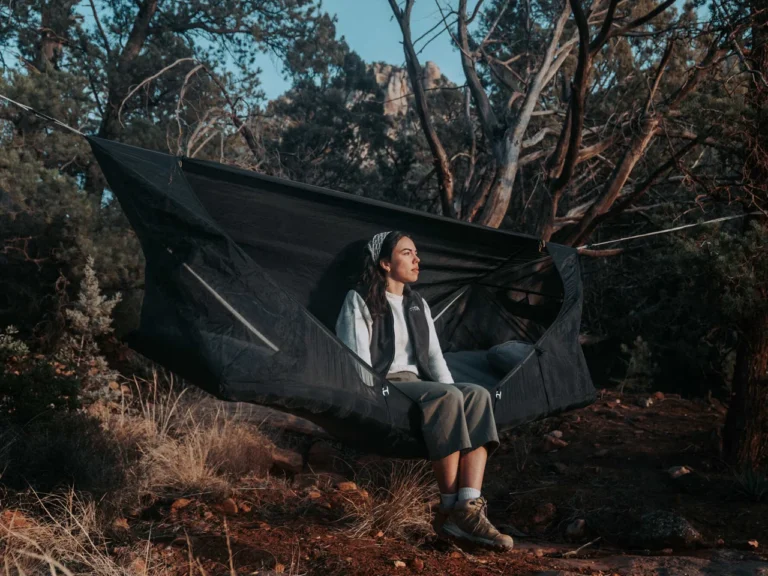
Key Choice: Synthetic apparel that does not absorb water and hammock-based shelter systems with integrated bug netting.
-
Constraint Logic: Down insulation is a liability here; once saturated by humidity, it loses all loft and becomes a heavy, mold-prone mass.
Planning, Cost, and Resource Dynamics
The acquisition of high-end equipment involves significant capital expenditure.
Direct and Indirect Costs
Investing in a premium hardshell (Direct Cost: $600) may seem excessive compared to a budget option ($100). However, the premium shell may last ten seasons and maintain its waterproof integrity, whereas the budget option may delaminate in two. The indirect cost of the budget shell includes the potential for a ruined expedition and the environmental cost of frequent replacement.
Resource Range Table (Estimates in USD)
| Kit Tier | Initial Investment | Lifespan Expectancy | Performance Ceiling |
| Entry-Level | $800 – $1,500 | 2-3 Years | Day hikes / Mild camping |
| Mid-Tier (Enthusiast) | $2,500 – $4,500 | 5-7 Years | Multi-day backpacking |
| Elite (Expedition) | $6,000 – $12,000+ | 10+ Years (with care) | High-consequence environments |
Opportunity Cost: Choosing to save money on a sleeping pad (R-value) may result in poor sleep quality, which degrades decision-making capacity and physical endurance on subsequent days—a high price to pay for a minor saving.
Tools, Strategies, and Support Systems
Maintaining a high-functioning gear closet requires more than just buying the right items; it requires a strategy for deployment and upkeep.
-
Gear Vetting (Shakedown Hikes): Never take a new piece of equipment into a high-consequence environment without a “dry run” in low-stakes conditions.
-
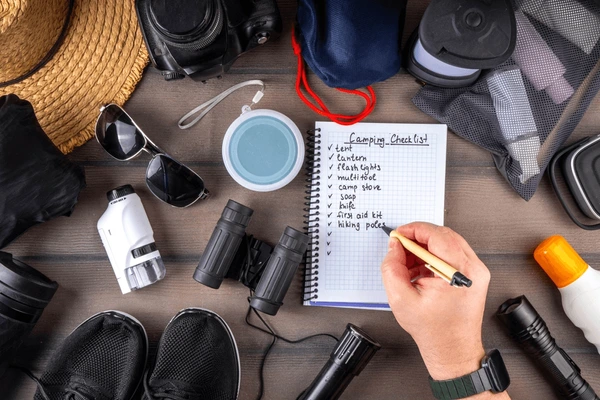
Digital Weight Tracking: Using spreadsheets to track “base weight” allows for a clinical assessment of what is actually necessary.
-
Repair Kits: A technical repair kit (Tenacious Tape, sewing awl, replacement buckles) is a mandatory support system for any remote outing.
-
Local Expertise/Guides: Sometimes, the “best gear” is the local knowledge of what actually works in a specific microclimate.
-
Professional Laundering: Use specialized detergents (Nikwax/Grangers) to maintain the DWR (Durable Water Repellent) finish on technical shells.
-
Storage Protocols: Down items must be stored uncompressed; tents must be stored bone-dry to prevent hydrolysis of the coatings.
Risk Landscape and Failure Modes
The “Risk Landscape” of adventure gear is defined by the interaction between mechanical failure and environmental pressure.
Compounding Risks
A single failure is rarely catastrophic. The danger lies in “cascading failures.” For example:
-
Step 1: An ultralight tent pole snaps in a windstorm.
-
Step 2: The collapsing fabric allows rain to soak the down sleeping bag.
-
Step 3: The user, now wet and cold, develops mild hypothermia.
-
Step 4: Hypothermia leads to a navigation error, resulting in the user being lost overnight.
This chain of events highlights why the best adventure gear options must include a margin of safety. A “bombproof” 4-season tent might be heavier, but it breaks the chain of failure at Step 1.
Governance, Maintenance, and Long-Term Adaptation
A serious adventurer treats their equipment with the same rigor a pilot treats an aircraft. This involves a formal system of “governance” for the gear closet.
Monitoring and Review Cycles
-
Pre-Season Audit: Check all seams, zippers, and seals. Inflate sleeping pads to check for slow leaks.
-
Post-Trip Review: Document what wasn’t used. If an item travels 100 miles and never leaves the pack (excluding emergency gear), it is a candidate for removal.
-
Adjustment Triggers: Replace footwear when the midsole loses its “reboun,d” or the tread depth falls below a safety threshold, regardless of how the upper looks.
Layered Maintenance Checklist
-
Level 1 (Field): Clean grit from zippers; dry out gear daily.
-
Level 2 (Home): Wash technical layers; treat leather boots.
-
Level 3 (Archive): Long-term storage in climate-controlled environments; re-waterproofing shells.
Measurement, Tracking, and Evaluation
Evaluating the efficacy of your equipment requires a balance of quantitative data and qualitative feedback.
-
Leading Indicators: Weight of the pack; R-value of the pad; breathability rating (RET) of the jacket.
-
Lagging Indicators: Hours of sleep achieved; presence of hotspots or blisters; core temperature stability during high output.
Documentation Examples
-
The “Lived Experience” Log: A simple note after a trip: “Jacket wetted out after 4 hours of heavy rain—needs DWR refresh.”
-
The “Weight/Utility” Audit: A spreadsheet comparing the grams of a stove versus the boil time and fuel efficiency.
Common Misconceptions
-
Myth 1: “Waterproof means you will stay dry.” Correction: In high-output activity, you will often get wet from your own sweat if the jacket’s breathability cannot keep up with your exertion.
-
Myth 2: “Boots must be ‘broken in’.” Correction: Modern synthetic boots should fit comfortably out of the box. If a boot requires a 50-mile “break-in” period, it is likely the wrong shape for your foot.
-
Myth 3: “Higher fill power down is warmer.” Correction: Fill power measures loft/efficiency, not total warmth. 10oz of 600-fill down is warmer than 2oz of 900-fill down.
-
Myth 4: “Softshells are just thin hardshells.” Correction: Softshells are designed for breathability and mobility; they are not intended to be a primary weather barrier in sustained rain.
-
Myth 5: “Expensive gear makes you a better adventurer.” Correction: Gear only expands your “operational envelope.” Skills and physical fitness are the primary drivers of success.
Ethical and Practical Considerations
The production of technical gear has a significant environmental footprint. Many “best adventure gear options” historically used PFCs (perfluorinated chemicals) for water repellency and non-traceable down. The modern ethical standard involves:
-
RDS (Responsible Down Standard): Ensuring birds are treated humanely.
-
Bluesign® Approved Fabrics: Minimizing the chemical impact on the environment during manufacturing.
-
The “Repair Over Replace” Ethos: Choosing brands that offer lifetime repair services, thus keeping gear out of landfills.
Conclusion
The selection of adventure equipment is an ongoing negotiation between the human desire for exploration and the physical realities of the natural world. There is no static “perfect” kit; rather, there is a dynamic state of “optimal readiness” that changes with the season, the terrain, and the objective. By moving past the superficial allure of marketing and focusing on the underlying engineering and thermodynamic principles of equipment, the adventurer transforms their gear from a burden into a silent, reliable partner.
As technical materials continue to evolve, the fundamental principles of moisture management, thermal regulation, and biomechanical efficiency will remain the North Star for anyone seeking the most effective tools for the wild.